Mastering Indoor Plant Care for Beginners
- palwinder kaur
- Nov 5
- 4 min read

Bringing plants into your home is one of the most rewarding ways to add life, colour, and freshness to your space. But if you’re new to this, you might wonder how to keep your indoor plants thriving. I’ve been there too, and I want to share what I’ve learned about caring for indoor plants in a way that’s simple and enjoyable. Whether you have a cozy apartment or a spacious home, mastering indoor plant maintenance basics will help you create a green sanctuary that feels alive and welcoming.
Understanding Indoor Plant Maintenance Basics
Before you dive into watering schedules or choosing pots, it’s important to understand the fundamentals of indoor plant maintenance. Plants need a balance of light, water, nutrients, and the right environment to flourish. Here’s a quick overview:
Light: Most indoor plants prefer bright, indirect light. Direct sunlight can scorch leaves, while too little light can stunt growth.
Water: Overwatering is a common mistake. Plants usually need watering only when the top inch of soil feels dry.
Humidity: Many indoor plants thrive in moderate to high humidity. Dry air can cause leaf edges to brown.
Temperature: Keep plants away from drafts, heaters, or air conditioners. Most indoor plants prefer temperatures between 18°C and 24°C.
Soil and Fertiliser: Use well-draining soil and feed your plants with a balanced fertiliser during the growing season.
By keeping these basics in mind, you’ll set a strong foundation for your plants to grow healthy and vibrant.

Choosing the Right Plants for Your Space
Not all plants are created equal, especially when it comes to indoor environments. Some plants are more forgiving and easier to care for, making them perfect for beginners. Here are some popular choices that work well indoors:
Snake Plant (Sansevieria): Tolerates low light and infrequent watering.
Spider Plant: Thrives in indirect light and is great for hanging baskets.
Peace Lily: Prefers moderate light and signals when it needs water by drooping.
Pothos: Very adaptable and grows well in low light.
ZZ Plant: Survives in low light and requires minimal watering.
When selecting plants, consider the light conditions in your home. South-facing windows offer the most light, while north-facing ones provide less. If you’re unsure, start with hardy plants like snake plants or pothos. They’re forgiving and will boost your confidence as you learn.
Watering and Feeding Tips for Healthy Growth
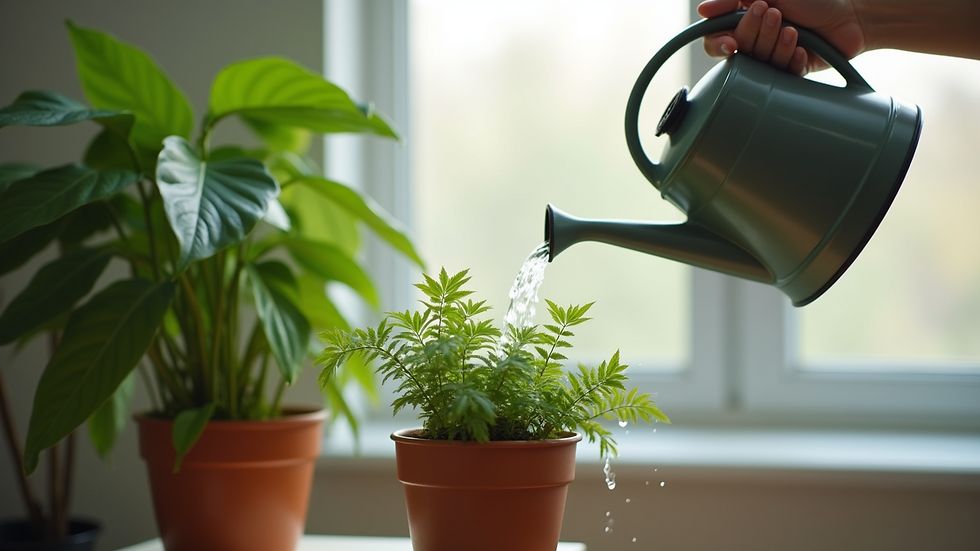
Watering is where many beginners struggle. The key is to avoid both overwatering and underwatering. Here’s how I manage it:
Check the soil: Stick your finger about an inch into the soil. If it feels dry, it’s time to water.
Water thoroughly: When watering, do it slowly until water drains from the bottom of the pot. This ensures roots get enough moisture.
Empty excess water: Don’t let your plant sit in standing water, as this can cause root rot.
Feed your plants: Use a balanced liquid fertiliser every 4-6 weeks during spring and summer. Avoid fertilising in winter when growth slows.
Remember, each plant has its own watering needs, so it’s good to research your specific plant’s preferences. Keeping a watering schedule or journal can help you track what works best.
Creating the Perfect Environment for Your Plants
Your plants’ environment plays a huge role in their health. Here are some practical tips to create the best conditions:
Light placement: Place plants near windows with filtered light. Use sheer curtains if sunlight is too harsh.
Humidity boost: If your home is dry, especially in winter, increase humidity by misting plants or placing a tray of water nearby.
Temperature control: Avoid placing plants near heaters or air conditioners. Sudden temperature changes stress plants.
Air circulation: Good airflow helps prevent pests and diseases but avoid cold drafts.
Pot choice: Use pots with drainage holes to prevent waterlogging. Choose sizes that allow roots to grow comfortably.
By adjusting your home environment, you’ll help your plants feel right at home and encourage steady growth.
Troubleshooting Common Indoor Plant Problems
Even with the best care, plants can face issues. Here’s how to spot and fix common problems:
Yellow leaves: Often a sign of overwatering or poor drainage.
Brown leaf tips: Usually caused by low humidity or inconsistent watering.
Drooping leaves: Could mean underwatering or too much direct sun.
Pests: Look for tiny bugs or sticky residue. Treat with insecticidal soap or neem oil.
Slow growth: May indicate insufficient light or lack of nutrients.
Don’t get discouraged if your plant struggles. Diagnosing the problem early and adjusting care can save your plant and help you learn more.
Bringing Greenery Into Your Life with Confidence
Taking care of indoor plants is a journey, and every plant you nurture teaches you something new. If you want to explore more about indoor plant care, there are wonderful resources and curated collections that can guide you. Remember, plants are living companions that respond to your attention and care.
Start small, be patient, and enjoy the process. Soon, your home will be filled with lush greenery that not only beautifies your space but also improves your mood and air quality. Happy planting!


Comments