Mastering Indoor Plant Care for Healthy Homes
- palwinder kaur
- Nov 5
- 4 min read

Bringing plants into your home is one of the best ways to add life, colour, and freshness to your living space. But keeping them healthy and thriving requires some know-how. Over the years, I’ve learned that indoor plants are not just decorations; they are living companions that need attention and care. Whether you have a sprawling living room or a cosy café corner, mastering indoor plant care can transform your space into a green oasis.
In this post, I’ll share practical tips for indoor plants that anyone can follow. These tips will help you nurture your plants, avoid common mistakes, and enjoy the many benefits of green living.
Understanding Your Plant’s Needs: The First Step in Indoor Plant Care
Every plant is unique, and understanding what your plant needs is the foundation of successful indoor gardening. Here’s what you should focus on:
Light: Most indoor plants thrive in bright, indirect light. Some, like succulents, prefer direct sunlight, while others, such as ferns, do well in low light. Observe your space and choose plants accordingly.
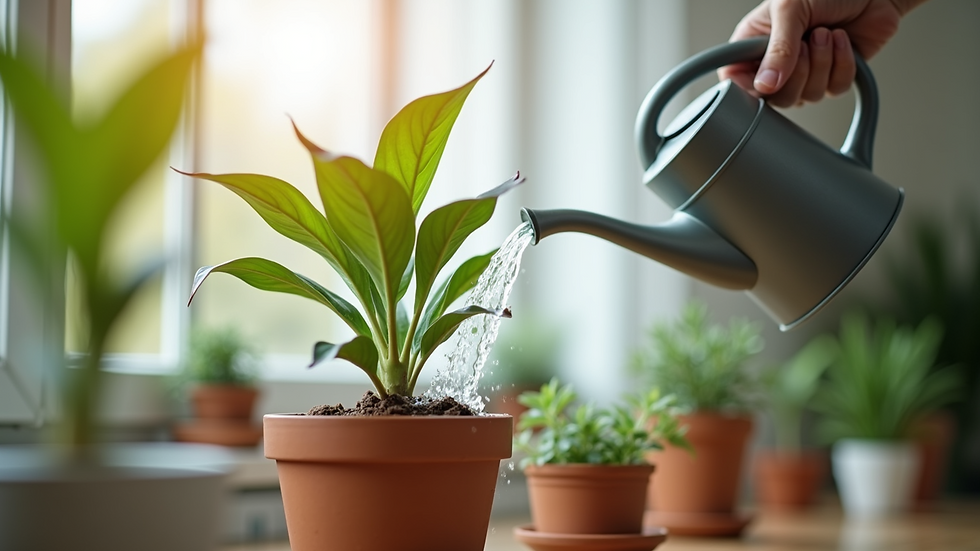
Water: Overwatering is a common mistake. Check the soil moisture before watering. A good rule is to water when the top inch of soil feels dry.
Humidity: Many indoor plants, especially tropical ones, love humidity. If your home is dry, consider misting your plants or using a humidifier.
Temperature: Keep plants away from drafts, heaters, or air conditioners. Most indoor plants prefer temperatures between 18°C and 24°C.
By paying attention to these factors, you’ll create a comfortable environment for your plants to flourish.

Essential Tips for Indoor Plants: Watering, Feeding, and Pruning
Once you understand your plant’s basic needs, it’s time to dive into daily care routines. Here are some essential tips for indoor plants that will keep them healthy and vibrant:
Watering Wisely
Use room temperature water. Cold water can shock roots.
Water thoroughly but allow excess water to drain out. Avoid letting plants sit in water.
Adjust watering frequency based on the season. Plants need less water in winter.
Feeding Your Plants
Use a balanced, water-soluble fertilizer every 4-6 weeks during the growing season (spring and summer).
Avoid over-fertilising, which can harm roots and cause leaf burn.
Pruning and Cleaning
Remove dead or yellowing leaves to encourage new growth.
Wipe leaves gently with a damp cloth to remove dust and help the plant breathe.
Trim leggy stems to maintain shape and promote bushier growth.
These simple steps will keep your plants looking their best and growing strong.
Choosing the Right Plants for Your Space
Not all plants are suited for every indoor environment. When selecting plants, consider:
Light availability: South-facing windows offer the most light, while north-facing ones provide less.
Space: Large plants like fiddle leaf figs need room to grow, while small succulents fit well on shelves or desks.
Maintenance level: If you’re busy, choose low-maintenance plants like snake plants or pothos.
Purpose: Some plants purify air, others add colour or texture. Choose based on what you want to achieve.
For example, if you run a café, plants like spider plants or peace lilies can brighten the space and improve air quality without demanding too much care.
Creating a Green Sanctuary: Styling and Placement Tips
How you arrange your plants can make a big difference in your home or business. Here are some styling tips:
Group plants with similar needs together to make care easier.
Use varied pot sizes and heights to create visual interest.
Incorporate decorative pots that match your interior style.
Place plants near seating areas to create a relaxing atmosphere.
Use hanging planters or wall-mounted pots to save floor space.
Remember, plants are living art. Play with textures, colours, and shapes to create a green sanctuary that reflects your personality.
Troubleshooting Common Indoor Plant Problems
Even with the best care, problems can arise. Here’s how to tackle some common issues:
Yellow leaves: Often a sign of overwatering or poor drainage. Check soil moisture and pot drainage holes.
Brown leaf tips: Usually caused by low humidity or underwatering. Increase humidity or water more regularly.
Pests: Look for tiny bugs like spider mites or aphids. Use insecticidal soap or neem oil to treat infestations.
Leggy growth: Plants stretching towards light means they need more sunlight. Move them closer to a window.
Regularly inspecting your plants helps catch problems early and keeps them healthy.
Bringing It All Together: Your Journey to Greener Living
Mastering indoor plant care is a rewarding journey. It’s about more than just watering and feeding - it’s about creating a living environment that nurtures both your plants and your wellbeing. With the right knowledge and a little patience, you can turn any space into a vibrant, healthy home or business.
If you’re in Bhopal and looking for beautiful, curated plants or expert advice, Plant Palette is your go-to destination. Their workshops and design services make it easy to connect with nature and bring green living into your life.
Start small, stay consistent, and enjoy the many benefits of indoor plants. Your home will thank you with cleaner air, a calming atmosphere, and a touch of natural beauty.
Happy planting!


Comments